


NFPA 4 provides a clear distinction between Integrated Systems and Interconnected Systems, primarily based on whether the link is between two independent systems or between a system and a component.
1. Integrated Systems
According to NFPA 4, an Integrated System is a combination of two or more individual systems that are designed to operate together as a cohesive whole to achieve specific fire protection and life safety objectives.
· Each system within the integration is capable of functioning individually and independently. However, when integrated, they exchange signals to perform a complex safety function.
· Example:
Phase I Emergency Elevator Recall. In this scenario, the Fire Alarm System (FAS) and the Elevator Controller are two distinct, standalone systems. When the FAS detects smoke in an elevator lobby, it sends a command to the elevator system to initiate recall. Both systems work in tandem to fulfill a life safety goal that neither could achieve alone.
2. Interconnected Systems
An Interconnected System refers to the physical or logical connection between a System and a specific Component belonging to another system.
· Instead of linking two autonomous "brains" (controllers), we are connecting an input or output device to a control unit.
· Example:
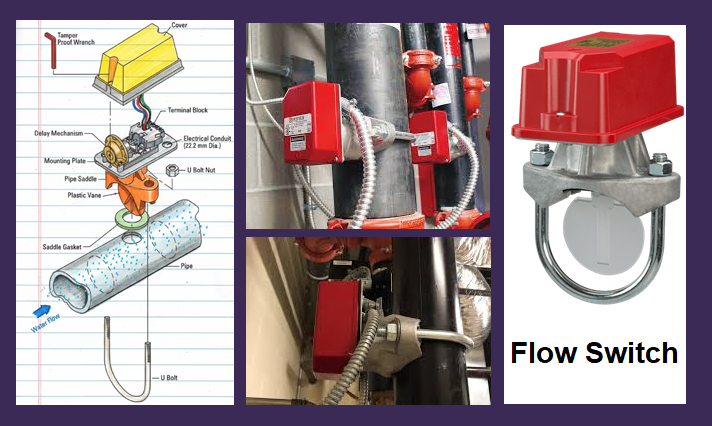
Sprinkler Waterflow Switch Monitoring. A Waterflow Switch is a component of the Fire Sprinkler System. To monitor the flow of water during a fire, this component is connected to the Fire Alarm Control Unit (FACU) via a Monitor Module. In this case, the sprinkler system is "interconnected" with the alarm system through a specific field device (the module) acting as an input.
Listing, Approvals, and Compatibility
A critical point emphasized in NFPA standards is the requirement for Listing and Compatibility:
· There is no requirement for integrated or interconnected systems to be listed as a single unit. Each system (e.g., the FAS or the Elevator System) maintains its own separate UL Listing or FM Approval.
· While the systems are separate, the interfacing equipment (such as Monitor Modules or Control Modules) must be compatible with the fire alarm system.
This ensures that the electrical signals and communication protocols are synchronized, preventing system faults or failure to operate during an emergency.